Logistics Advice
Courier vs haulage vs pallet network: which one?
By the Princess Courier & Logistics teamUpdated
Courier, haulage or pallet network? We explain how each works, where each fits and how to match the right one to your load, speed and budget.
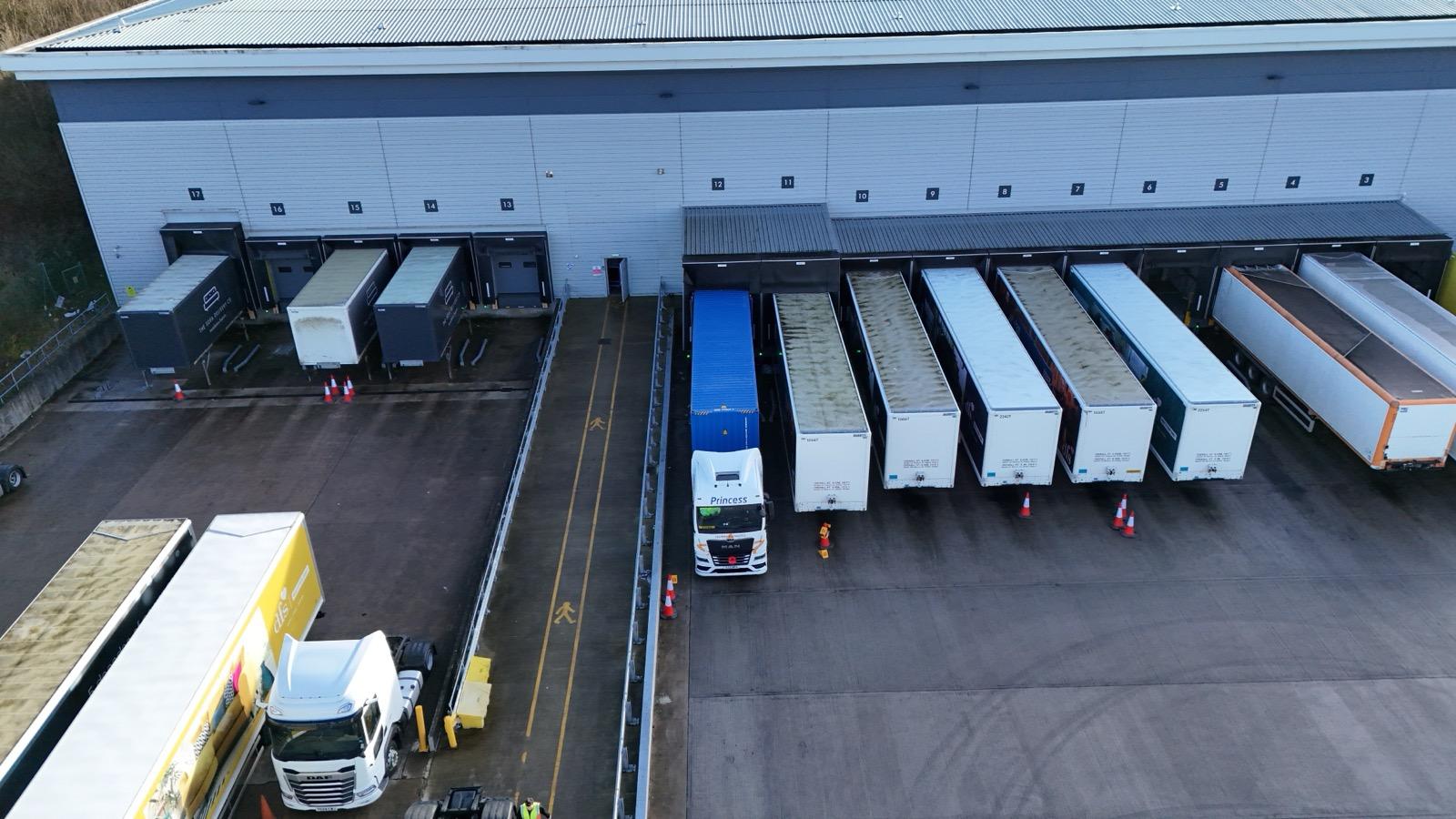
Choosing between a courier, a haulier and a pallet network sounds simple until a load does not fit neatly into any of them. Get it wrong and you either overpay for a vehicle you did not need or watch a time-critical pallet sit in a hub overnight. This guide explains courier vs haulage (and where a pallet network fits in) so you can pick the right option before you book.
Courier vs haulage: the short answer
In everyday use the two overlap, but the difference usually comes down to size, speed and how the load is carried.
- Courier usually means a van (or sometimes a small lorry) collecting from A and driving to B, often the same day. It suits urgent, smaller and awkward loads.
- Haulage usually means heavier goods on larger lorries: 7.5 tonne, 18 tonne or articulated vehicles carrying full or part loads of pallets and commercial freight.
- A pallet network collects pallets from many customers, takes them to a hub, sorts them and delivers on a later day. It is usually the cheapest option when time is not critical.
The real question is not what to call the job. It is how big the load is, how soon it must arrive and how much handling it can take on the way.
What a courier is best for
A dedicated courier sends one vehicle for your goods only. It collects and drives straight to the delivery address, with no hub and no transfer between vehicles. That is why it suits work such as:
- urgent spare parts for a machine or line that has stopped;
- samples, documents and stock for a customer who is waiting;
- one or two pallets that must arrive today;
- fragile, high-value or oddly shaped items where less handling means less risk.
The trade-off is cost. A vehicle that is yours alone costs more than space on a shared network, because you are paying for the whole vehicle and for the speed. Our same day courier service works this way: we aim to collect within 30 to 60 minutes of confirming the booking, subject to availability, and give you a collection time before a vehicle is sent. No delivery time can be unconditionally guaranteed, because traffic, weather and disruption all play a part.
What haulage is best for
Haulage is the right call once the load is large or heavy. Our fleet runs from small vans up to articulated lorries, and the lorries are where haulage lives:
VehicleTypical palletsMaximum payload 7.5 tonneUp to 102,500 kg 18 tonneUp to 149,000 kg Artic (13.6 m trailer)Up to 2626,000 kgPallet counts are a guide: pallet size, double stacking and tall loads change them. Haulage suits stock transfers between warehouses, bulk building materials, machinery and anything that fills a lorry or a good part of one. Our HGV haulage service covers both full and part loads, same day or on planned dates.
One thing worth knowing: weight often runs out before space does. A Luton van fits six pallets but carries 1,000 kg in total, so always give the weight of each pallet when you ask for a price.
Where a pallet network fits
Pallet networks are good value for routine, non-urgent freight. Your pallet is collected, taken to a hub overnight, sorted and delivered on a later day. You get a lower price per pallet because the network fills its lorries with many customers' goods.
The compromises are worth understanding:
- Time. Delivery is on the network's schedule, not yours.
- Handling. Pallets are moved at the hub and between vehicles, which raises the chance of damage for fragile or high-value goods.
- Flexibility. Odd sizes and overweight pallets can be refused or surcharged.
Our pallet delivery service is a dedicated vehicle: one pallet in a small van up to 26 on an artic, collected and driven straight to the drop. If your freight is routine and has days to spare, a network is often the cheaper route. If it must arrive today, a dedicated vehicle is the one to choose.
A simple decision guide
Step 1: how soon must it arrive?
If the answer is today, or a customer is waiting, a dedicated courier or haulage vehicle is the realistic choice. If the answer is "in a few days", a pallet network comes into play.
Step 2: how big and heavy is the load?
Count the pallets and add up the weight. Boxes, documents and a pallet or two point to a courier van. Several pallets, or more than about 1,000 to 1,200 kg, point towards a lorry. A full lorry load points to an artic.
Step 3: how fragile or valuable is it?
The more a load is worth, or the more easily it is damaged, the stronger the case for a dedicated vehicle with no hub handling. Tell your carrier the value when you book so the cover can be checked against it.
Step 4: what are the access and unloading arrangements?
Is there a forklift at both ends? If not, a Luton with a tail-lift can lower pallets to the ground (it needs a hard, level surface). Large lorries need room to manoeuvre. Tell us about stairs, narrow roads and site rules in advance.
Quick comparison
CourierHaulagePallet network Typical vehicleVan or small lorry7.5t, 18t or articShared lorries via hub SpeedSame day possibleSame day or plannedUsually next day or later HandlingDirect, no hubDirect, no hubHub sorting CostHigher per itemEfficient for big loadsUsually lowest per pallet Best forUrgent, small, fragileFull and part loadsRoutine, non-urgent palletsWhen one job needs both
Real jobs are rarely tidy. A manufacturer might need an artic of stock moved to a warehouse and a single urgent part sent to a customer in a van the same afternoon. Using two suppliers means two bookings, two sets of contact details and two sets of terms. Because we run vans, 7.5 and 18 tonne lorries and artics, one call can cover the full load and the urgent part that goes with it.
If you are unsure which vehicle fits, describe the goods and we will help you choose. Our advice on how to choose the right courier service and on ways to reduce business transport costs go into more detail on getting value from each option.
What to have ready when you ask for a price
Whichever route you choose, the same details speed things up:
- collection and delivery postcodes;
- what the goods are, how many pallets or boxes, and their size and weight;
- when the goods must arrive and any delivery time window;
- how the load will be loaded and unloaded at each end;
- the value of the goods, if it is high.
You can send these through our quote form (no account needed) or call or WhatsApp us. We take bookings 24/7. During the job we keep you updated by phone or WhatsApp; we do not offer a live tracking link. Proof of delivery is a photo and signature, or a PDF sent by email.
Frequently asked questions
Is haulage always cheaper than a courier?
Not always. Haulage is efficient per pallet when a lorry is well filled, but a lorry for one small, urgent parcel would cost far more than a van. Match the vehicle to the load.
Can a courier carry pallets?
Yes. A small van takes one pallet, and our largest vans and the Luton take several, subject to weight. Check the payload as well as the pallet count.
Is a pallet network cheaper than a dedicated vehicle?
Usually, yes, for non-urgent freight. The saving comes from sharing a lorry and a hub with other customers, so you accept a later delivery and more handling.
What if I do not know how heavy my load is?
Weigh a typical pallet or estimate generously and tell us it is an estimate. Weight decides which vehicle is safe and legal, so it matters more than most people expect.
Can I get a vehicle at night or at the weekend?
We take bookings and dispatch vehicles 24/7. Out of hours delivery depends on someone being available to receive the goods.